Debranding & Platform Consolidation
Project Overview
The company consolidated multiple platforms—each hosting different curricula—into a single unified platform. The goal was to reduce code complexity, improve maintainability, and deliver a more cohesive and intuitive user experience across products.
Audience
This change impacted all users across the ecosystem: students, teachers, and internal teams.
For students and teachers, it fundamentally changed how content was accessed, used, shared, and monitored.
For internal stakeholders, it altered how content was authored, structured, and maintained.
As a result, the new experience needed to scale across diverse user needs while supporting close collaboration with content, editorial, publishing, and support teams.
The Challenge
The company needed a more stable and reliable foundation to support its digital products. At the same time, it required a unified and intuitive user experience that was easy for users to navigate and for internal teams to support—without disrupting existing workflows during a high-risk migration.
Role & Scope
I led the redesign of the platform that all content was being migrated into.
At the start of the project, there was no assigned product manager due to prerequisite foundational work. As a result, I took on additional discovery and coordination responsibilities, working closely with:
Content and editorial teams to understand authoring workflows, curriculum structures, and upcoming content being authored offline
Migration and CMS teams to ensure the UI could support content coming from multiple legacy systems
Engineering teams to evaluate feasibility and align design decisions with technical constraints
My role spanned strategy, UX, UI, and cross-functional alignment during a critical transition period.
Timeline & Constraints
The migration had a hard deadline tied to the start of the new school year. The primary directive was to avoid changes to underlying functionality and focus on delivering a refreshed look and feel for users at launch—while still addressing critical usability issues identified in early testing.
Additional constraints included:
The target platform was an older codebase built by contractors, making effort estimation difficult
Engineers were unfamiliar with much of the code, increasing delivery risk
Many proposed changes had dependencies on parallel workstreams across teams
To navigate this, I:
Partnered closely with engineers to assess effort, reduce risk, and prioritize high-impact UX improvements
Continuously re-prioritized design work as dependencies shifted
Balanced visual refresh goals with targeted usability fixes that addressed the most pressing user pain points
The designs were validated against all available content and iterated through multiple rounds of user testing.
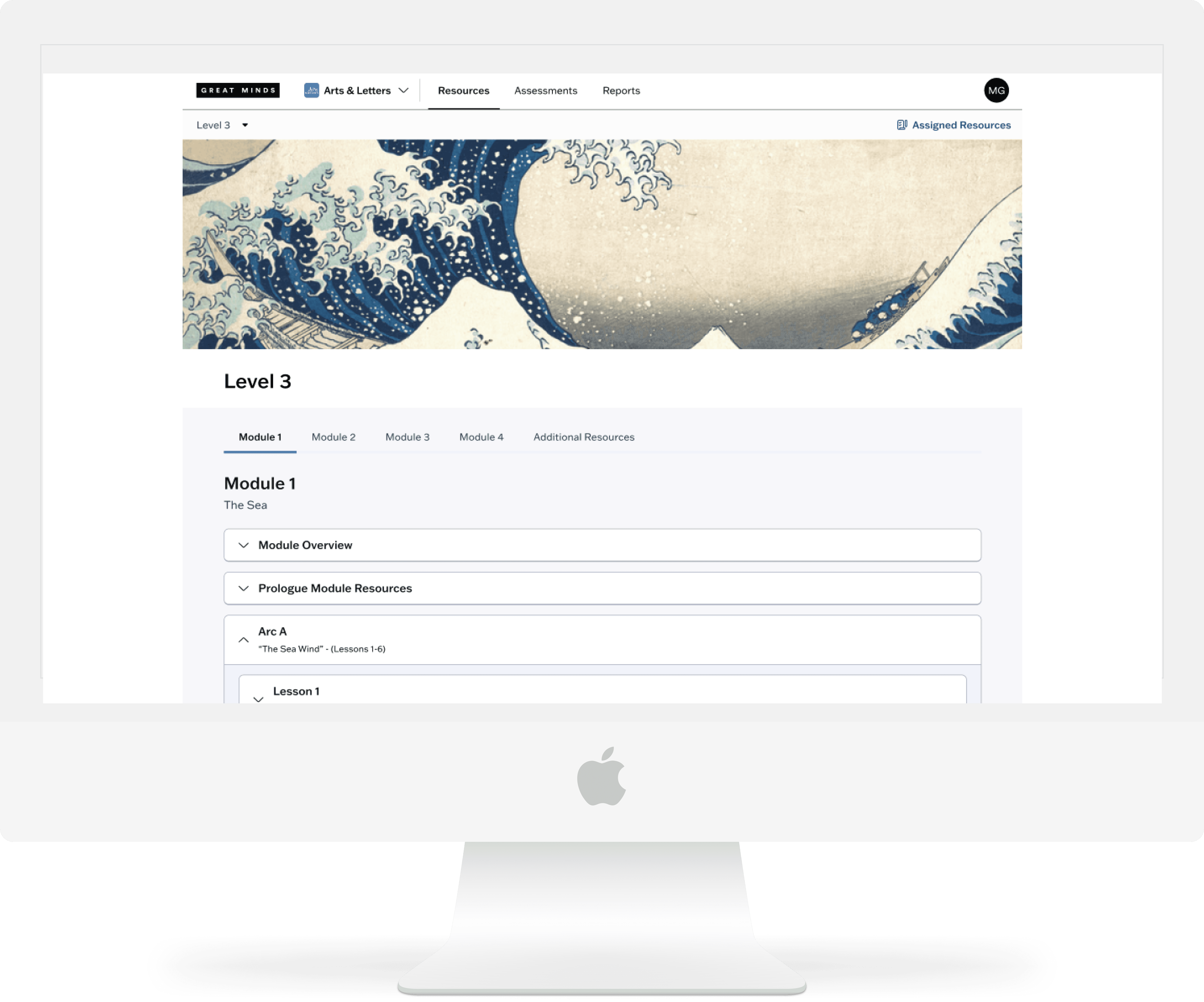
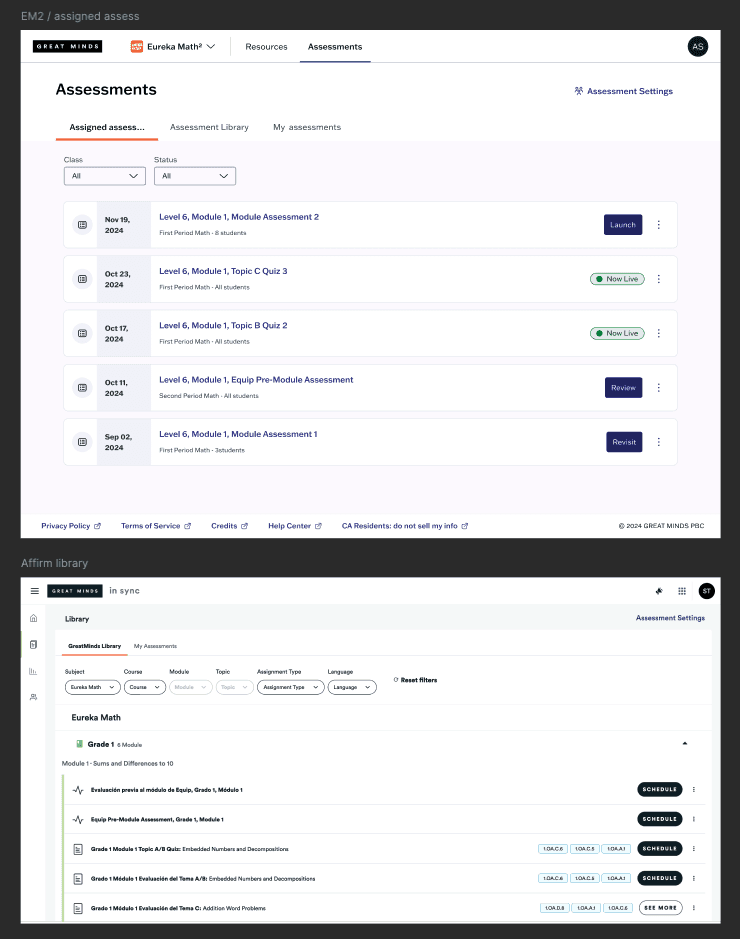
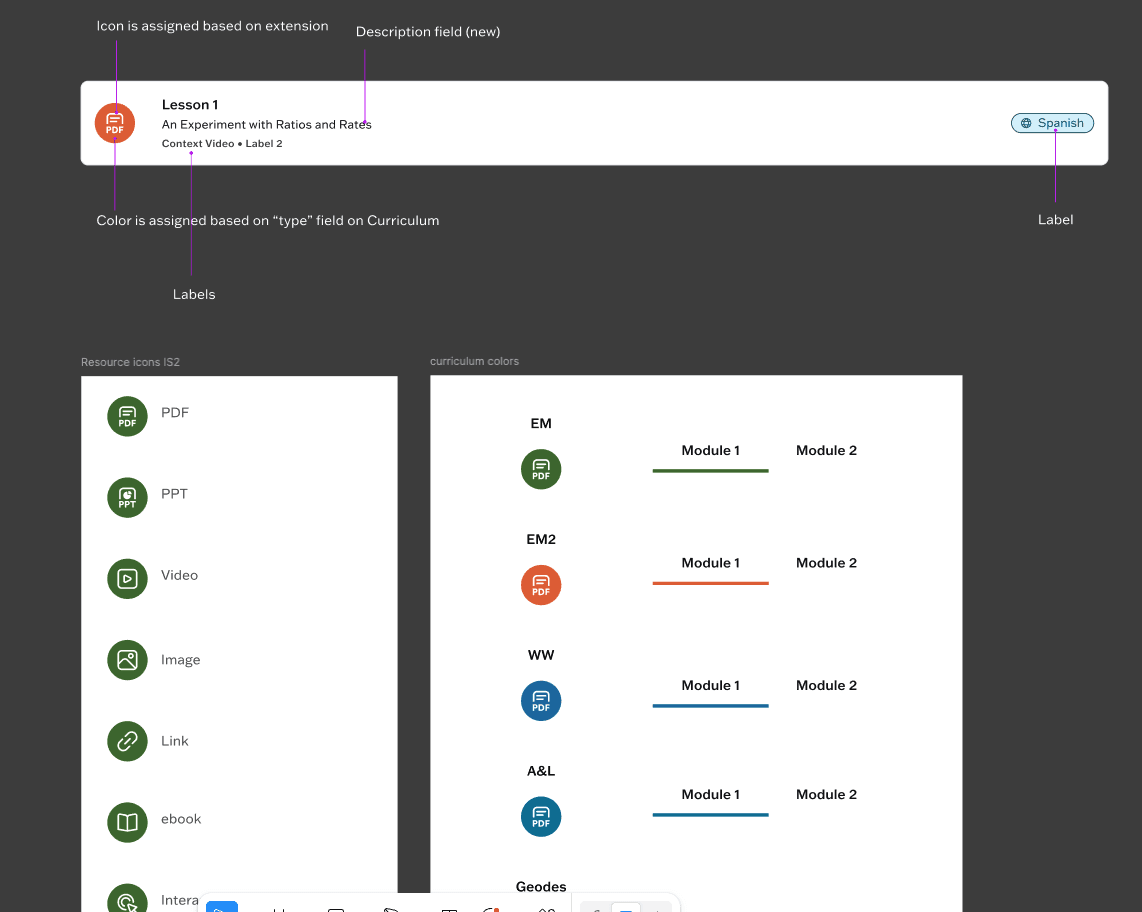
[image of some of the changes]
Updated table of contents to improve navigation and content discoverability
Introduced a new header image system for clearer context and hierarchy
Reduced cognitive load by removing a nested collapsible level and introducing tabs
Redesigned the assessment homepage and live monitoring experience
Supported the migration of curricula with varying structures and introduced new content types
Contribution to the Design System
As part of the consolidation effort, the company began building a new design system to support a refreshed visual identity and enable scalable, reusable components.
I collaborated closely with the design system team to:
Identify and define new components emerging from the redesigned experience
Ensure components were flexible enough to support multiple curriculum structures
Deliver components that worked across three different themes, supporting both existing products and a new platform in development
This work helped align near-term migration needs with long-term platform scalability.
Outcomes
Given the scale and complexity of the migration, success was measured by stability and continuity rather than dramatic metric shifts:
WAU/MAU remained stable at ~30% weekly engagement
No major blockers or significant complaints across core Jobs To Be Done for teachers and students, including:
Accessing content
Planning and teaching with content
Assigning work to students
Viewing progress and reports
The platform successfully launched on time, providing a stable foundation for future product development while minimizing disruption for users.